



When self builder Mark, from Saffron Walden in Essex, heard about a plot of land that had become available, he knew he had to snap it up. With incredible views and a friendly village community nearby, he jumped at the opportunity.
His plan was to build a contemporary property. The idea being that it would eventually be sold, allowing him and his wife to live mortgage-free.
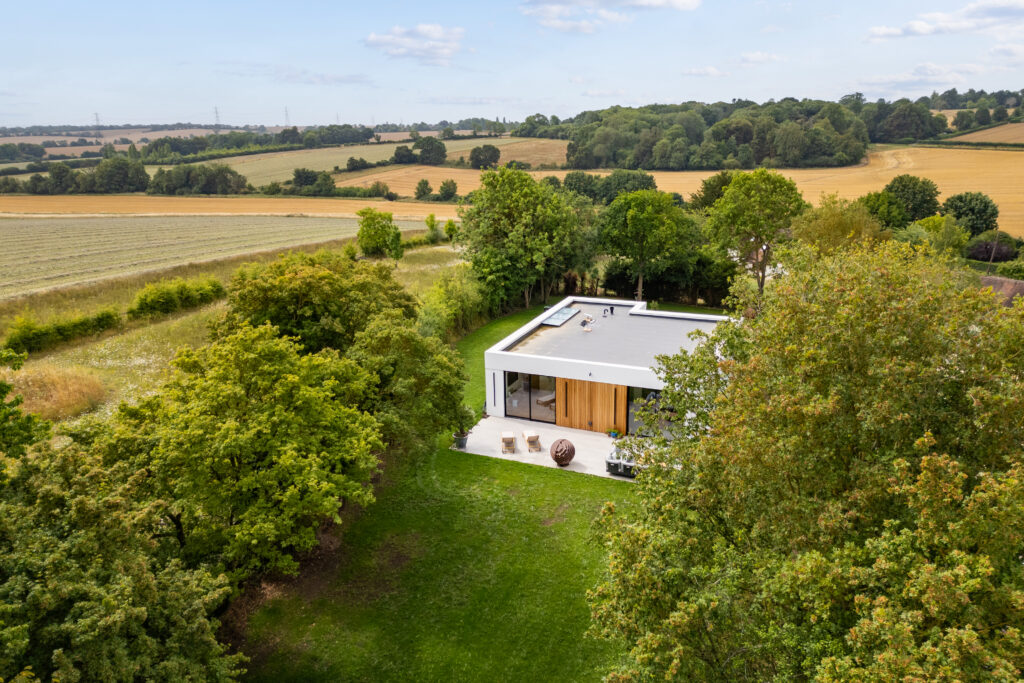
Architects were commissioned to design a property that made the most of the valley views. Planners also asked him to ensure the build had minimal impact on the surrounding countryside.
Keen to press ahead and realise his dream home, Mark tapped into his savings and pensions to fund the initial groundworks. However, things came to an abrupt halt when the additional funding he had expected did not come through as planned. The delay cost him 12 months in time and caused significant stress.
That’s when we stepped in.
Mark approached his broker for advice about how to progress a project that had already cost him considerable blood, sweat and tears. The broker suggested approaching lenders with specialist experience in the self build market. These lenders were more likely to understand the project and its potential.
We were able to lend Mark £590,000 for the project and released the first tranche of funding. This allowed work to resume quickly. Three further stages of funding were planned after that.
Another helpful factor was that Mark had saved enough money to cover his rent during the build. Because of this, those payments did not need to be included in the affordability assessment. It may sound like a small detail, but it can make a meaningful difference when arranging a self build mortgage.
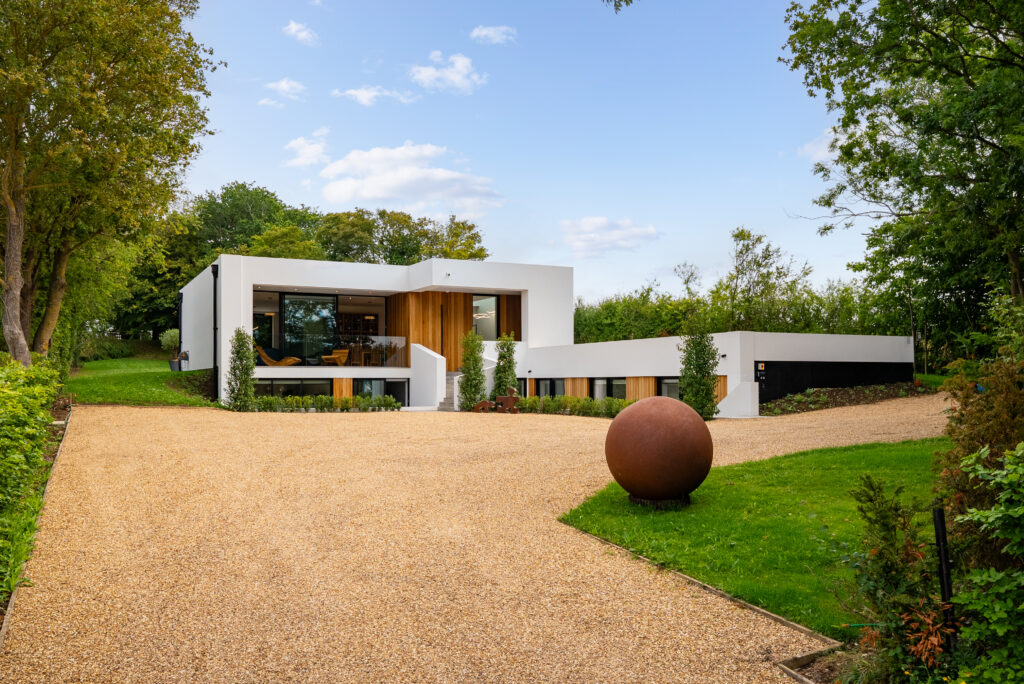
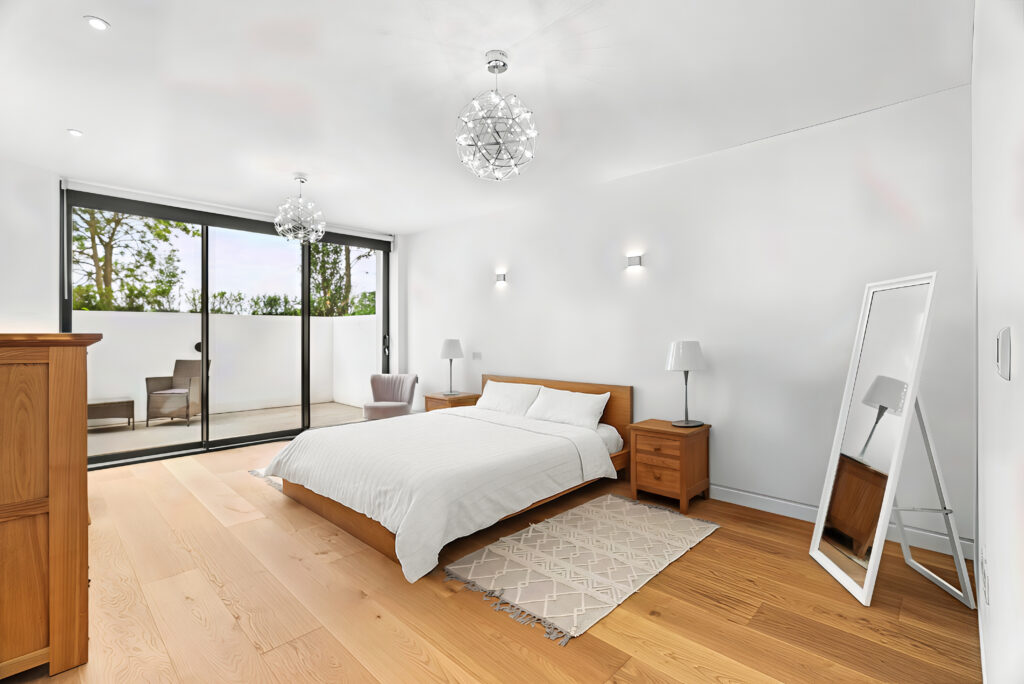
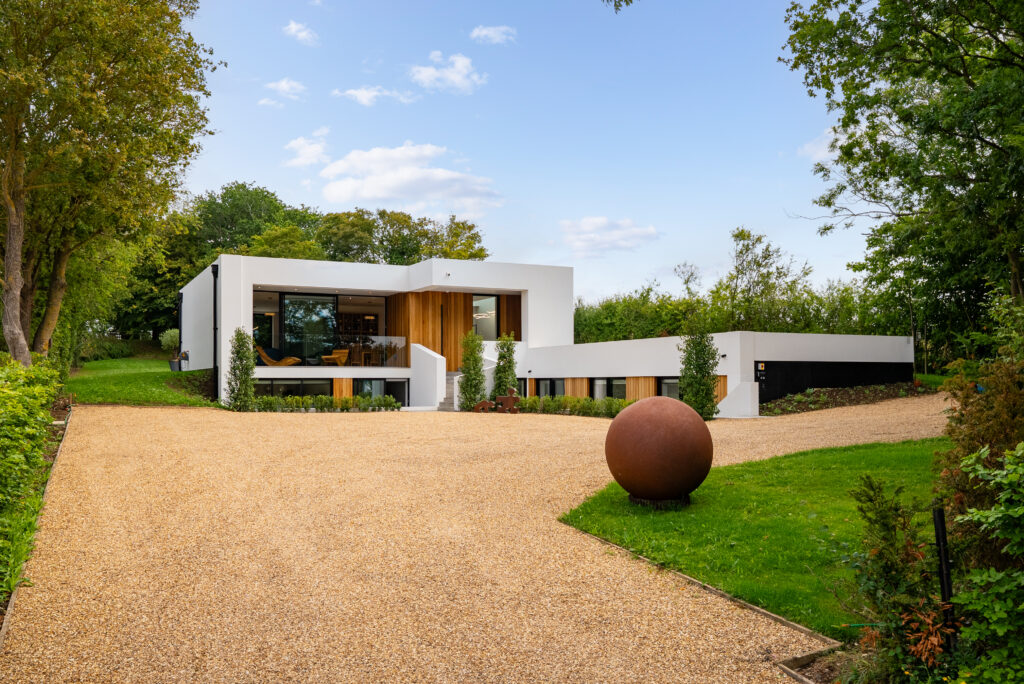
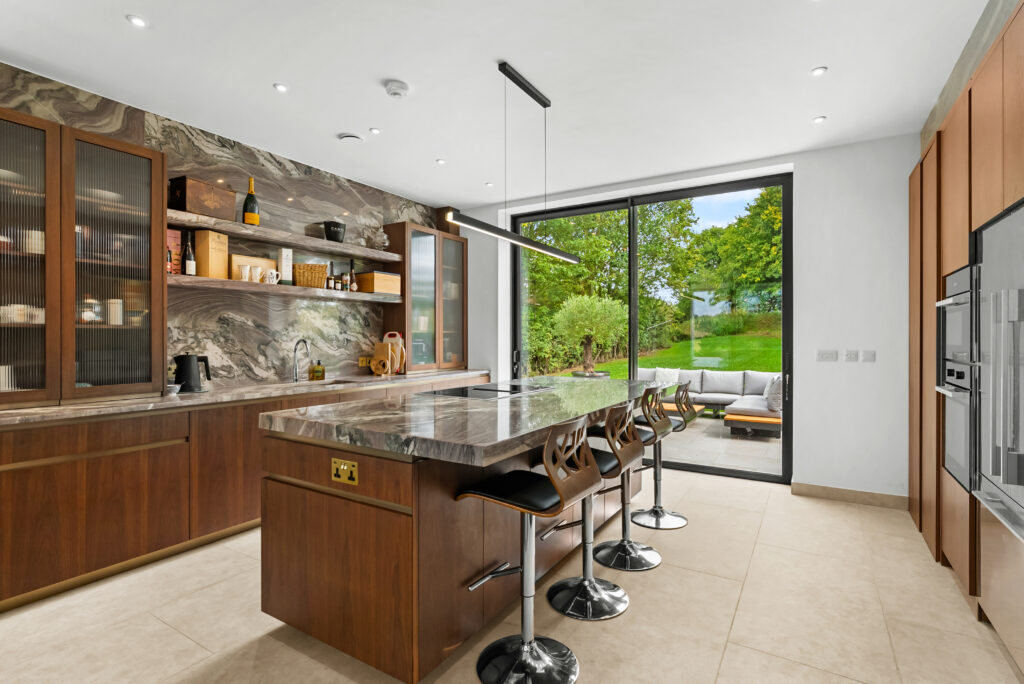
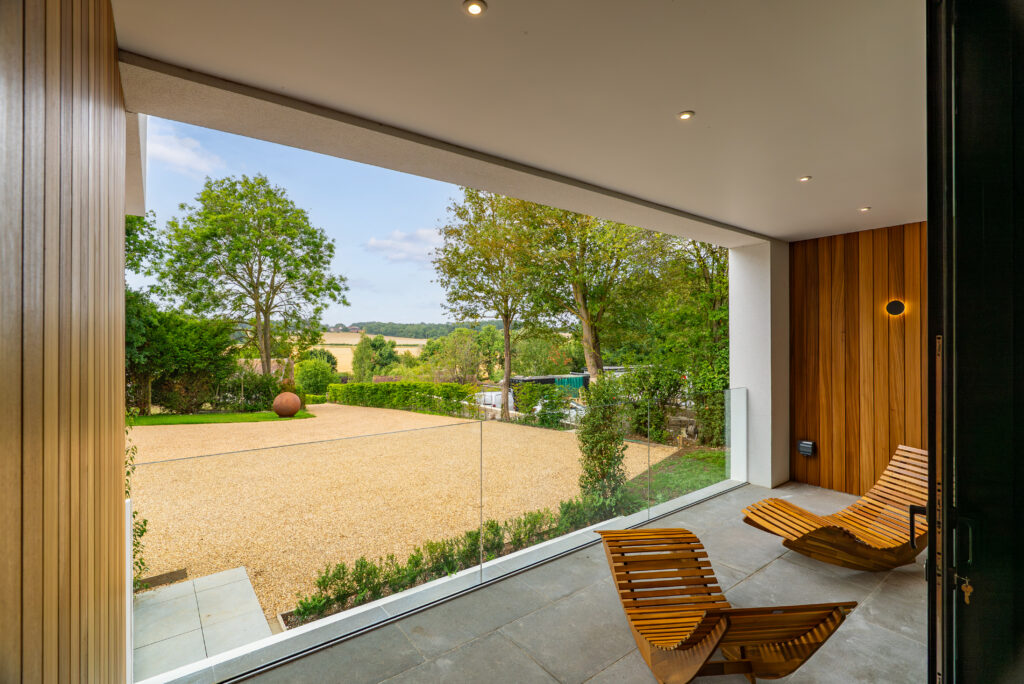
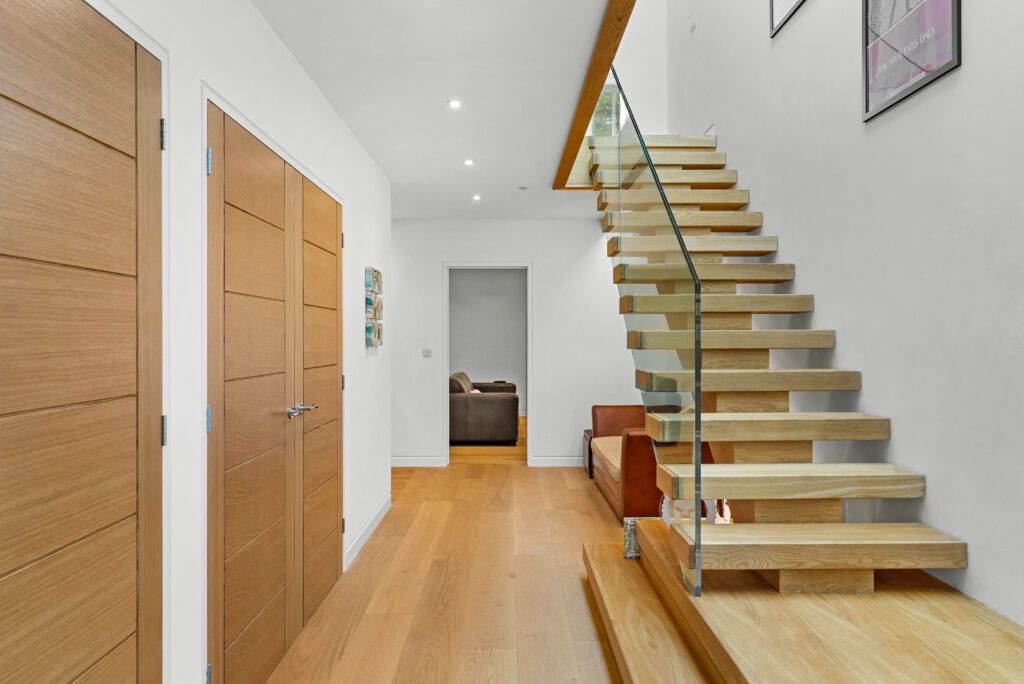
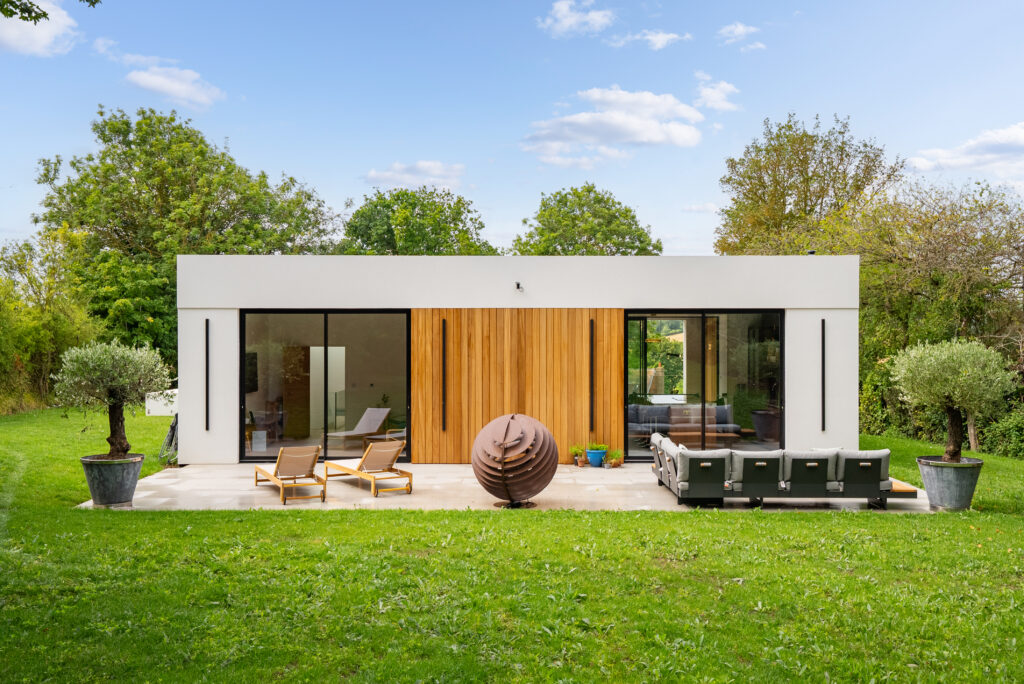
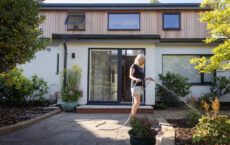
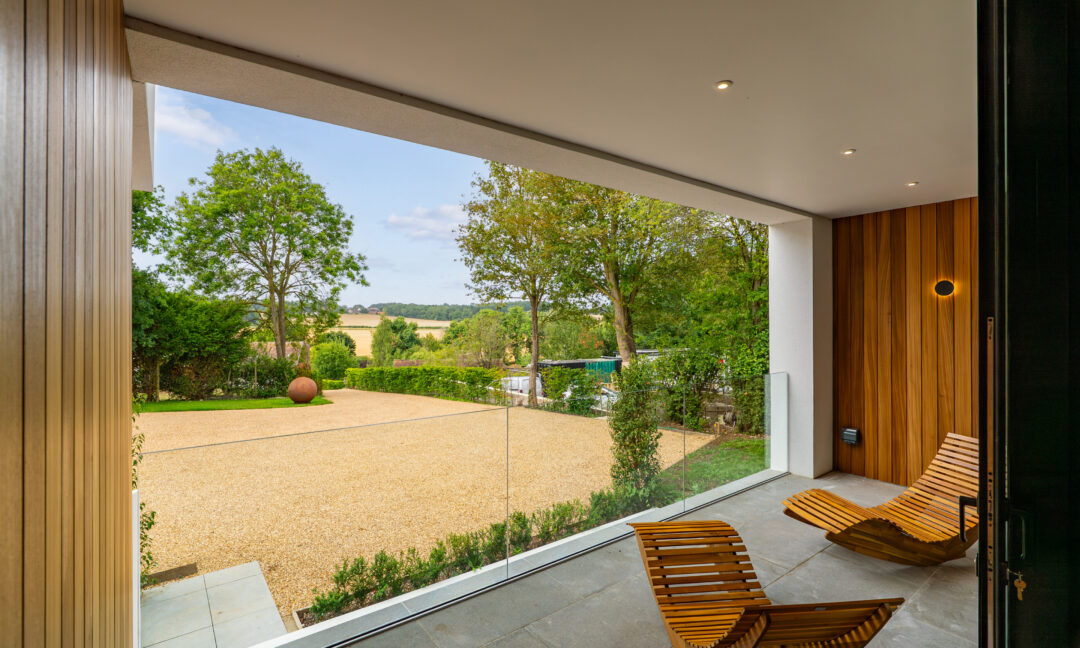
The result is a 3,500 square foot modernist home with a sweeping gravel driveway. It makes a striking architectural statement and combines contemporary design with warm, natural materials. The house includes five bedrooms, several bathrooms, a gym, and a games room built into the landscape.
Mark also stayed true to his commitment to minimise the property’s impact on the local environment.
We advise that you don’t start a self build until you’re absolutely certain that planning permission is secured and all finances are firmly in place. It is also essential to ensure you have adequate contingency funds. Mark had been under the impression that his bank was prepared to lend, so he didn’t knowingly ignore this advice. Even so, it’s always safer to have a signed arrangement in place before putting a spade in the ground.
Mark ultimately went £90,000 over budget. Given the delays and the complexity of the build, this is relatively reasonable. For self build projects, we generally recommend a contingency of around 15 to 20 percent.
We wish Mark the very best of luck in selling his beautiful home.
You can read the full details of Mark’s self build project in The Times. (Subscription required.)