


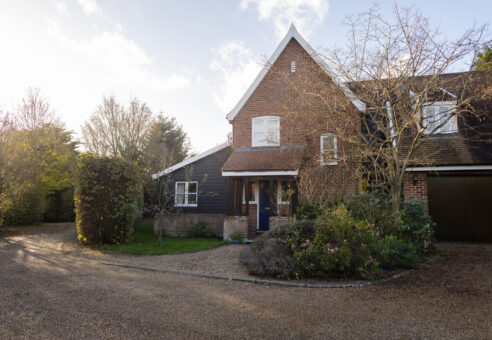


Picture a self build home and you might imagine experienced homeowners inside. Perhaps they’ve worked their way up the property ladder before embarking on their own build?
But while this is a common scenario, self builds have plenty to offer first time buyers too. Building a home from scratch can be the ideal way to create exactly what you’re looking for. Instead of compromising on layout, location, or design, a self build project offers control and creativity. However, financing it is very different to obtaining a standard mortgage. This is where a self build mortgage comes in
A self build mortgage is a type of loan designed specifically for people constructing their own homes, or carrying out major renovation work. Unlike a standard mortgage, where the lender releases funds in a single lump sum, self build mortgages are typically released in stages as the build progresses.
Can a first time buyer get a self build mortgage?
It’s not a typical route onto the housing market, but self build mortgages are absolutely available to first time buyers. Lenders are open to this, particularly if you can demonstrate strong planning and financial discipline.
Probably the biggest challenge most first time buyers face is the deposit. Expect to need a larger deposit than with a standard mortgage. This varies from lender to lender, but is typically at least 20%–25% of the total project cost. Sometimes more, depending on the lender and complexity of the build.
As a first time buyer, lenders may also see you as a higher risk – especially with a self build, which already carries uncertainties. As a result, you may face stricter criteria compared to experienced builders or homeowners.
A healthy contingency (10-20% of the project cost) is also strongly recommended, as many run over budget. It’s these upfront costs that can end up pricing some first time buyers out of a self build.
Remember, though, that a self build home doesn’t need to blow the budget. TV programmes like Grand Designs conjure up images of sleek, modern mansions, but a self build can be just as modest as any other home. Perhaps you’ve inherited money from an older relative, but can’t find the right property in the area you want? Or you have been gifted some land? Or maybe with family support, you’re looking to create a home that supports multi-generational living?
Rebuilds and renovations
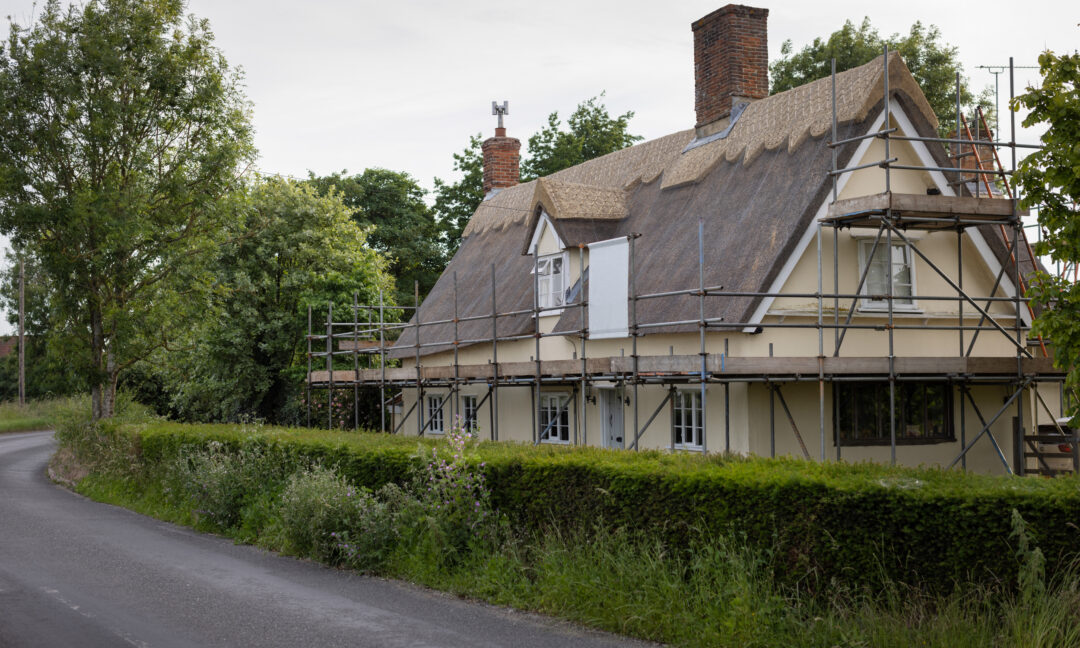
Self builds aren’t just about designing a new home from scratch on an empty plot of land. Some first time buyers find themselves needing a self build mortgage through ‘knock down and rebuild’ projects or major renovations.
Finding a ‘doer upper’ can be appealing, but people aren’t always aware they might need a self build mortgage rather than a standard residential one.
Depending on the scale of renovations, borrowing the funds through a residential mortgage may constitute a breach of contract. Your need for a self build mortgage usually depends on whether the property is habitable. Without key rooms (such as a kitchen or bathroom) for extended periods, or if structural elements are being altered, you will likely need a self build mortgage. Find out more about what needs a self build mortgage.
Understand what lenders are looking for
If you’re a first time buyer with your heart set on a self build, you can improve your chances of approval by focusing on what lenders typically assess:
- Detailed plans and planning permission
- A realistic budget and timeline (including a contingency fund)
- Your income and credit history
- Experience (or use of professional builders/project managers).
Even if you don’t have construction experience, hiring qualified professionals can strengthen your application significantly. It will also reduce the risks of overspends and unforeseen problems.
Take all costs into account
Beyond the build itself, first time buyers should factor in:
- Land purchase costs
- Architectural and planning fees
- Legal fees
- Material and labour costs
- Insurance during the build
- Potential living costs during the build
- Utility connections
- Survey/building regulations costs
- Contingency fund.
Unexpected expenses are common in self build projects, so having a financial buffer is essential.
A self build mortgage can be an opportunity to create your dream home, even as a first time buyer. However, it requires careful planning and strong financial preparation.
If approached thoughtfully, it can be one of the most rewarding ways to get onto the property ladder. Whatever your reasons for considering a self build, it’s always a good idea to speak with a mortgage adviser or broker. This can help you find a lender that specialises in self build mortgages, with a flexible approach and criteria that suit you and your plans.