



Are you thinking about buying a property that needs renovating? If so, you may have wondered whether the condition of the property will affect your ability to secure a mortgage on it. In this blog, we consider what features a property needs to have before a lender will consider a mortgage application for it.
What does a house need to be mortgageable?
For a house to be mortgageable in the UK, it must generally be deemed ‘habitable’ by a lender’s valuer.
In practice this means that it:
- Is weatherproof.
- Is secure.
- Is structurally sound.
- Has essential functional amenities. These generally include a working kitchen, a functioning bathroom, and connected utilities (water, electricity, heating).
- Has a minimum number of years left on the lease, if it is a leasehold property.
- Complies with any relevant building regulations.
Can you get a mortgage without a kitchen?
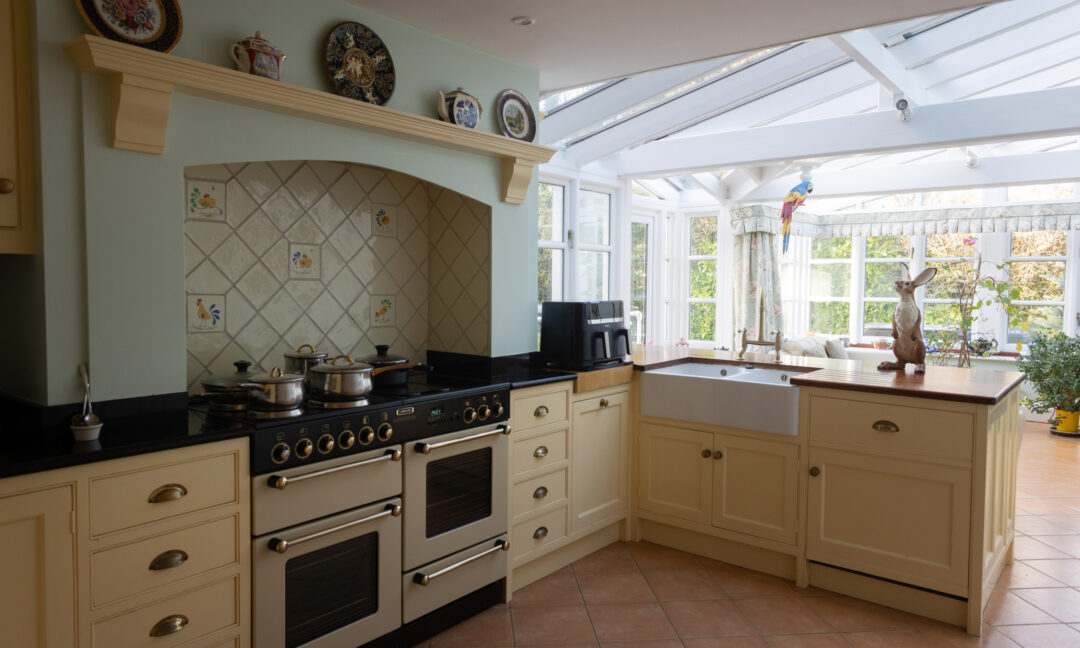
It’s difficult to get a standard residential mortgage on a property if you don’t have a functioning kitchen. This is because lenders typically require a home to be immediately habitable. This is because, if you were to default on your mortgage and they need to repossess the property, they wouldn’t want something that they’d struggle to sell.
Each lender will have their own view on what is a working kitchen. For example, some may require a working oven on completion. Others may be happy if there is a space ready for a free standing oven. Others may even consider a property with utilities ready for a kitchen to be fitted quickly after the mortgage completes.
What makes a property uninhabitable?
A property is generally considered uninhabitable if it:
- Poses an immediate health risk.
- Is structurally dangerous. This includes issues with subsidence, severe wall tie failure, or a partially collapsed roof.
- Lacks basic amenities (water, electricity, heating).
- Does not have essential services. This could include a functioning kitchen, toilet, or bathroom.
- Has severe damp and/or mould.
- Is not safe. This might include a lack of door or window locks, a severe pest infestation, or dangerous electrical/gas installations.
- Has unsafe or damaged asbestos requiring removal.
- Has been damaged by flood.
For Stamp Duty Land Tax (SDLT) purposes HMRC guidelines consider whether a property is “suitable for use as a dwelling”.
Can you get a mortgage on an uninhabitable property?
It is possible to get a mortgage on an uninhabitable property. However, you’ll need to look beyond traditional mortgages and consider specialist products. These include:
- Renovation mortgages: allow you to borrow against the future value of the property. They generally require you to have a detailed renovation plan. They will consider this as part of your mortgage application. Additionally, they also generally require you to have a larger deposit, often in the region of 20-50%, depending on the lender. Funds may also be released in stages once project milestones are complete.
- Self build mortgages: are similar to renovation mortgages but can also be used if you plan to buy a plot of land and build an entirely new property. Or you may knock-down and rebuild the current structure.
- Bridging loans: provide a short-term, solution that allows you to purchase and renovate a property. Payment will be due when you sell the property or apply for refinancing once the property is habitable. However, be careful as they generally charge higher interest rates than a mortgage
Can I get a mortgage to renovate a house?
You can indeed. As we mentioned above, these are sometimes referred to as renovation mortgages, but it’s also worth considering self build mortgages. Some lenders, like Suffolk Building Society, combine the two and offer self build and renovation mortgages.
So, do some research and consider your options carefully. You’ll then be able to pick the best one for your needs. As always, if in doubt, speak to a mortgage adviser or broker for advice if you’re unsure or have any questions.
If you want to get started today, why not complete our decision in principle form? It only takes around 10 minutes and will give you an idea of how much you could borrow.