


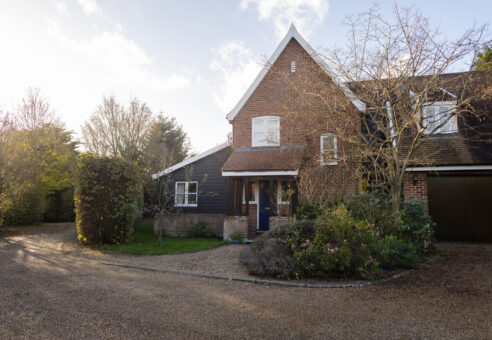


Later life mortgages.
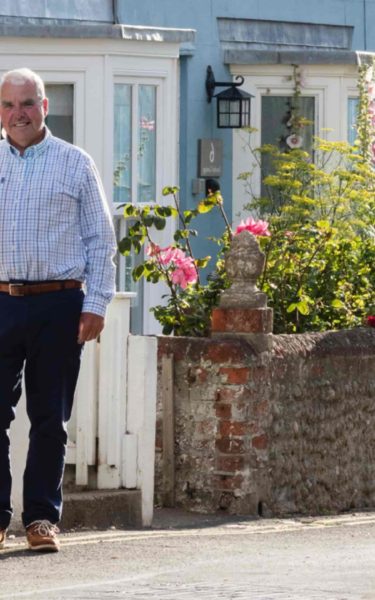

Mortgages for older people.
Later Life Mortgages. Don’t let age restrict you.
There’s much more flexibility with later life mortgages now – whether you’re retired, or want your mortgage to continue after you retire. And all our products are available – whatever your age.
Things you might want to do:
- Move home
- Change to a new product, or remortgage to a new lender
- Free up equity from your home to fund gifted deposits to family members
- Free up equity for home improvements, or to make your home more accessible
- Change your mortgage term or repayment type, e.g. switching from repayment to interest only, or vice versa.
We treat borrowers as individuals. Our decisions are made individually by our experienced in-house underwriting team, not by computers.
Here to help
Find a later life mortgage.
Our standard range of mortgage products are available to later life borrowers, so take a look at what’s currently available by using our mortgage finder.
Once you’ve found a mortgage product that looks right for you, see how much it might cost with our indicative mortgage repayment calculator or find out more about our mortgages in general on our mortgage information page.
Tips for older borrowers
Five things to know about a
later life mortgage with
Suffolk Building Society.
We know that mortgages for older people can be confusing, so we’ve put together a quick summary of our later life mortgage criteria.
- Older borrowers can access our standard range of mortgage products, so you can apply for any of our deals.
- Our standard mortgages have no maximum age limit. However, our Joint Borrower Sole Proprietor (JBSP) mortgages do have some age caps.
- We can lend for a maximum term of 40 years, even if you’re already retired. However, when we provide you with advice (see FAQ on advice) the term we can offer will depend on what is suitable for your specific needs and circumstances. For a buy to let mortgage our standard maximum term is 30 years.
- We may offer up to 80% loan to value for applicants borrowing into retirement. For those already retired, we’ll consider up to 70% loan to value.
- You may be able to remortgage to us from another lender or purchase a new property for your retirement. You might wish to raise funds for home improvements. Or you might want to help a child or grandchild to buy their own home.
Other lending criteria may apply, and we will take time to understand your individual circumstances. The Society will carry out an affordability assessment to make sure your mortgage is affordable now and should circumstances change.
FAQs
Mortgages for later life:
your questions answered
A later life mortgage is simply a term which covers anyone borrowing into, or in, retirement.
Sometimes these are referred to as mortgages for over 50s, or mortgages for over 60s, which seems a long stretch to be calling someone an older borrower! This just means when the mortgage ends the borrower will most likely be retired.
Having a mortgage into retirement means changing sources of income and lifestyle, which mortgage lenders need to take into account when assessing a later life mortgage application.
You may have heard of a Retirement Interest Only (RIO) mortgage. With a RIO mortgage borrowers pay a monthly interest payment and there’s no set end date. The mortgage continues until the last-named borrower dies or moves into long-term care, at which point the property is sold to repay the loan. Because of the monthly interest payments there’s no compound interest added to the loan, so the mortgage balance at the start of the loan will be the same amount at the end (plus any added fees or additional interest, and as long as all monthly interest payments have been made in full and on time). We do not currently offer RIO mortgages.
There’s no set maximum age to get a mortgage and this will depend on the criteria of the mortgage lender. At Suffolk Building Society we have no maximum age on mortgages taken on a capital and interest repayment basis, or on our interest only mortgages.
This will vary from lender to lender. At Suffolk Building Society we have a maximum term of 40 years, even when the borrower is already retired. For a buy to let mortgage the maximum term is 40. The actual term we can offer may be dependent upon what is suitable for your own specific needs and circumstances when providing advice.
Later life mortgages could simply be used to continue an existing mortgage, or we find common reasons to get a mortgage in later life could be:
- For a ‘sale & downsize’ – borrowers are planning to buy and prepare their perfect home ready for retirement, then sell their existing property once they’ve settled in (using the sale proceeds to clear the mortgage).
- Adapting the home for later life – some homeowners need to extend, renovate or adapt their home due to changing lifestyles, such as installing a ground floor wetroom.
- To become a family benefactor – enabling a child or grandchild to get onto the property ladder thanks to a gifted deposit.
- To fund a significant leisure purchase – such as a static caravan or motorhome.
Usually you won’t be able to use a later life mortgage to fund everyday living expenses or a big holiday. As with all financial decisions you’ll need to carefully consider what option is right for you depending on your individual circumstances.
If you are looking for a mortgage that will end when you are retired then a lender will need to ensure you have sufficient income to sustain your payments. You may be able to use multiple income sources in addition to any employment or self employment, such as property income, investment income and pension income.
At Suffolk Building Society we will require all applicants who are aged over 75 at the time of application to seek independent legal advice, as a condition of our mortgage offer. The advice can be provided after the mortgage offer is issued but must be before the funds are released. We also recommend anyone borrowing beyond 75 to have registered a lasting power of attorney for property and financial affairs.
No. There are vast differences between standard residential mortgages taken in later life and equity release mortgages. These differences include:
- Standard residential mortgage interest rates are typically lower than equity release rates. Which could make a significant difference to the overall amount paid over the mortgage term.
- A later life mortgage is an agreement for a selected term, and applicants can choose how long to borrow the money for. In contrast, an equity release or lifetime mortgage will generally run until the last remaining borrower dies or moves into long term care.
There are no set limits, so you’ll need to research different lenders to find one that suits your needs. At Suffolk Building Society our standard range of mortgage products are available for older borrowers. We can lend up to 80% loan to value for applicants borrowing into retirement. For applicants who are already retired, we’ll consider up to 70% loan to value.
Yes, although this will be subject to the terms of your existing equity release agreement.
You will need to carefully check the terms and conditions of your equity release and factor in any fees and charges which may apply – you may wish to consider seeking the help of an independent financial advisor.
Getting help
Independent advice for later life mortgages.
Taking on a mortgage at any age is a big financial commitment. We suggest that you consider gaining independent advice before deciding whether to proceed with a mortgage. The following organisations are able to offer impartial advice.
Building relationships
“
We took out a mortgage on our house to help children get on the property ladder and have found Ipswich now Suffolk Building Society a friendly, professional and human organisation – just like building societies and banks used to be but so few are these days. A great team of people.
Mortgage member via

“
I have always found it very easy to contact Suffolk Building society by phone, or by email or on line, and the staff are always friendly, knowledgeable, helpful and efficient. For me, this is the most important feature of a good building society.
Mortgage member via
/ 2

Find the right mortgage product for you.


Enquiries
We have conversations, not algorithms.
Our decisions are made by experts, not computers. We need to calculate the financials, but we understand there’s more behind a mortgage than the numbers on a page. We can’t promise to lend to everyone and anyone, but we’ll consider most applications on an individual basis.
Ready to go? We’d love to hear from you. Get in touch with our friendly and knowledgeable team.
Prefer to talk?
Call 0330 123 0723
Contact us
From Our Blog
Mortgage news.
Our blog contains the latest goings-on and updates across the Society, so here’s where you can check out our latest mortgage news.
Or, if you want to see more than just mortgages, take a look at all of our blogs.